Missing Middle Housing in My Community
Utah communities have unique spatial characteristics—land uses, block patterns, and street connectivity—as well as distinct economic and social contexts. As such, the range of MMH types that may be suitable in different communities may vary. The Utah MMH Toolkit acknowledges that the conditions that make MMH a viable housing solution differ from place to place. Recognizing this diversity, the MMH Toolkit provides communities with a range of MMH-Friendly Neighborhoods and MMH Building Types that can be calibrated to specific contexts.
Although MMH can fit virtually anywhere, the steps and details listed below can provide a solid starting point for considering and implementing Missing Middle Housing options to address your community's housing needs.


Activity Nodes play a major role in our communities, as these are the areas where residents gather for business, shopping, studying, or socializing. As such, Activity Nodes are typically adjacent to MMH-Friendly Neighborhoods, due to their active and accessible characteristics.
To identify an Activity Node and the adjacent MMH-Friendly Neighborhood in your community, start by reviewing the nodes and space-types listed below, while considering the following details about the specific area:
- What are the existing primary land uses (commercial, mixed-use or institutional within the activity center)
- What is the general built form
- What is the street network, connectivity, and block pattern
- What are the primary lot sizes and lot patterns
Need Help Identifying an Activity Node or Community Type? Read the Case Study from the City of Alpine to learn how they considered these topics for their community.
Regional Corridors &
Large Institutions
Main
Streets

Local
Nodes

Rural
Nodes

Community &
Civic Spaces


Neighborhood Center

Stories: 1 to 3
City Center
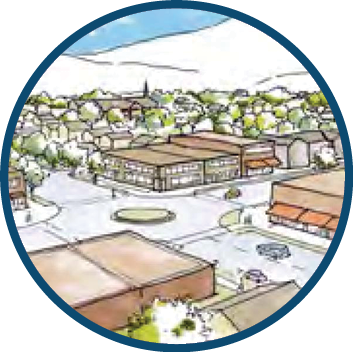
Stories: 2 to 5
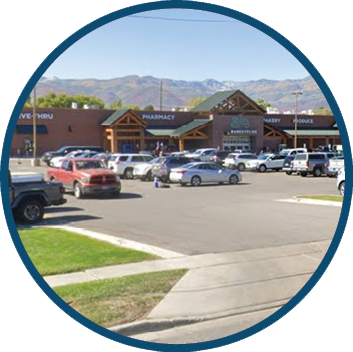
Typical Land Uses: Grocery store and village center uses.
Urban Center
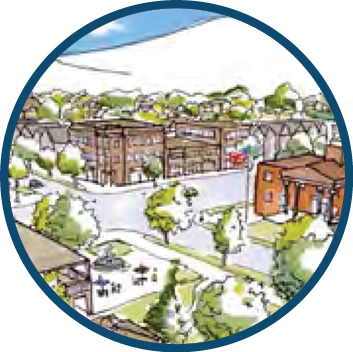
Stories: 4 to 10
Typical Land Uses: Significant commerce. Regional "destination" retail.
Metropolitan Center
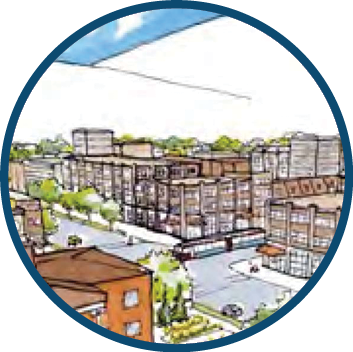
Stories: 4 to 25
Typical Land Uses: Unique entertainment.
Central Neighborhood

A Central Neighborhood is a neighborhood with a regular street grid located close to places with high pedestrian activity. These neighborhoods may be predominantly single-family detached homes or maybe a mix of small-footprint multifamily. They generally include infrastructure for pedestrians and people riding bikes and may be located near transit.
Hybrid Neighborhood

A Hybrid Neighborhood is a neighborhood that is between the walkable grids of a Central Neighborhood and the more car-centric development patterns of a Suburban Neighborhood. A Hybrid Neighborhood is often located between those two other neighborhood types in terms of geography and the characteristics that define the neighborhood: it shares characteristics from both.
Suburban Neighborhood

A Suburban Neighborhood is one in which a separation of uses often requires an automobile to complete daily functions. The built environment is designed to accommodate a vehicle and has fewer but larger roads and fewer transit options. These environments may have areas where walking or riding a bike for recreational purposes is possible.
Rural Neighborhood
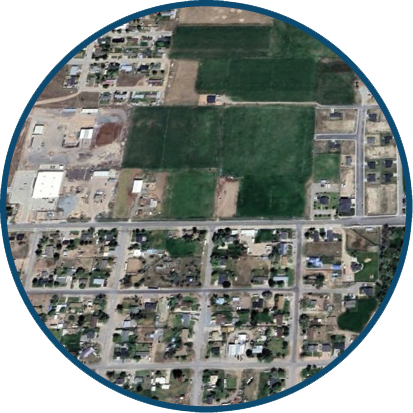
A Rural Neighborhood is a neighborhood that is located in a Rural Community at the edge of the community, where development gives way to natural areas or agricultural uses. A Rural Neighborhood may have street networks and block patterns similar to a Central Neighborhood, however, the lots are generally larger, the building footprints are generally smaller, and the land use is less intense.
Best for MMH
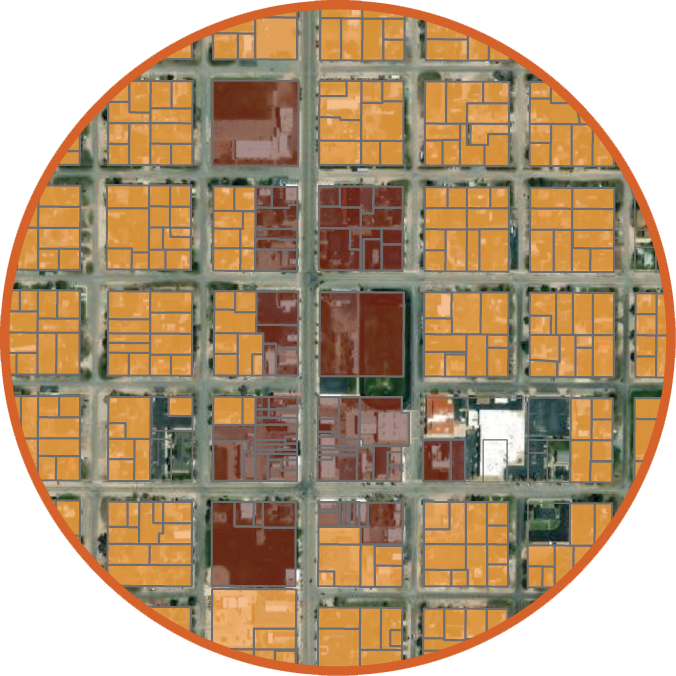
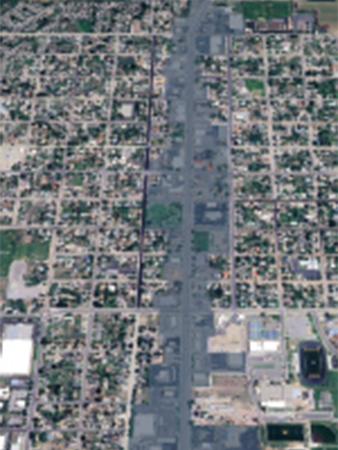
Small block lengths, a well-connected street network, and nearby shops and restaurants can foster a highly walkable environment that strongly supports MMH.
Better for MMH
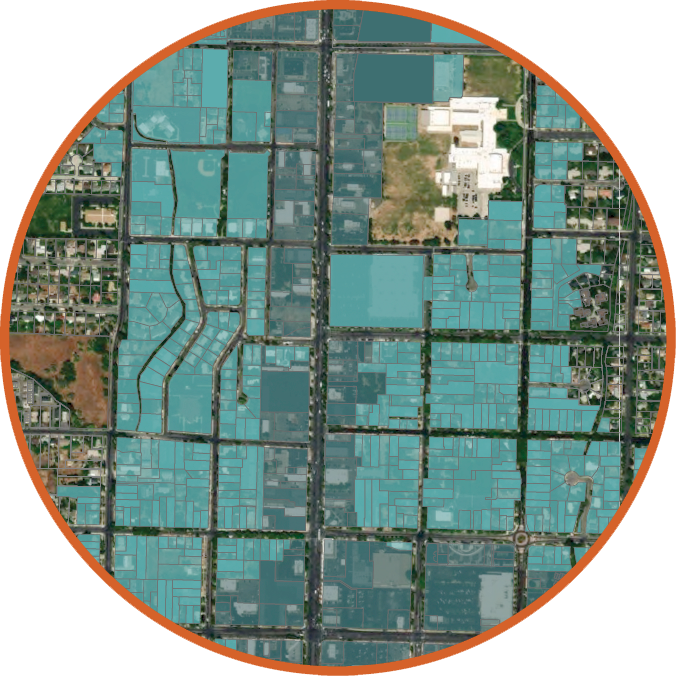
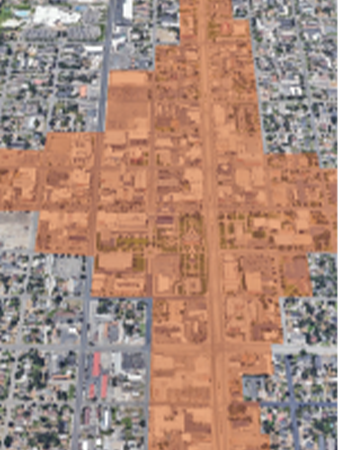
A well-connected street network with a mix of block lengths creates a walkable environment that supports MMH and facilitates pedestrian-friendly redevelopment.
Good for MMH
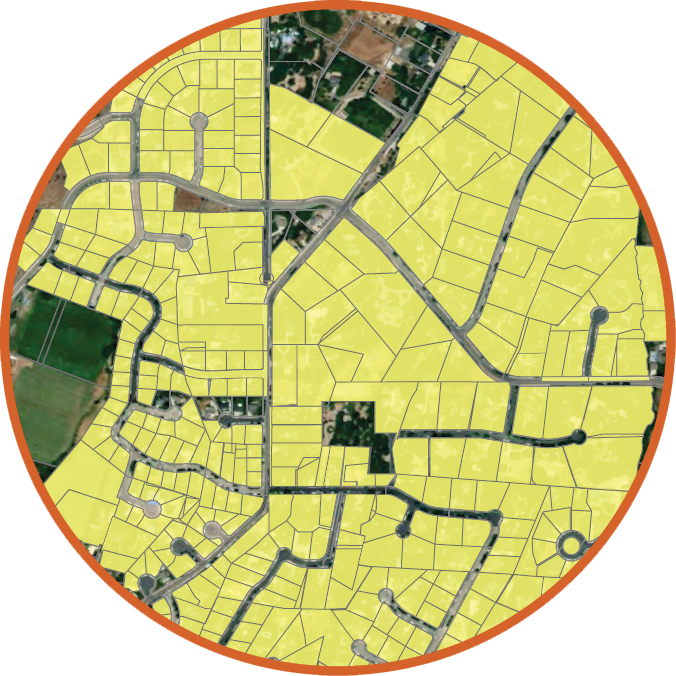
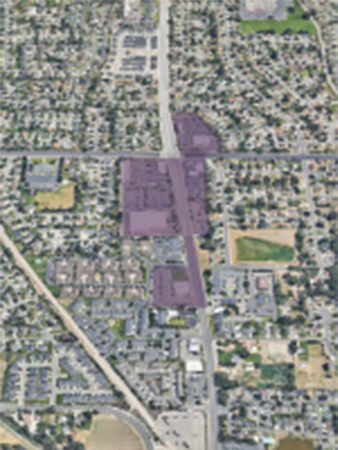
Upgrades to the public realm and improved access to amenities could provide additional opportunities for a collection of MMH types.
The resulting range of different MMH Building Types in your community should be based on spatial and neighborhood context, proximity to activity centers, and existing land use patterns. The range of MMH Building Types best suited for your community should be aligned with these conditions to ensure an appropriate fit.
For example, larger communities may accommodate options such as Multiplex Large and Courtyard Large in certain MMH-Friendly Neighborhood Types, while Duplex, Cottage Housing, or Triplex/Fourplex typologies may be better suited in smaller and rural communities in the same neighborhood type. This flexibility allows each community to select building types that best support its housing needs and development goals while creating more attainable homeownership opportunities.
Using the MMH Building Type Fit Evaluation dropdown lists below, you can select the characteristics that best fit your community regarding Community Scale, Node Type, Wasatch Choice Vision Center Type, Development Pattern, and Roadway/Connectivity Network, to understand the resulting MMH Building Types that will fit best within your specific community.
For more details on each building type—including typical lot sizes, resulting densities, and design best practices—please refer to the MMH Building Types document.
MMH Building Type Fit Evaluation
MMH Building Types

ADU
1-2 units

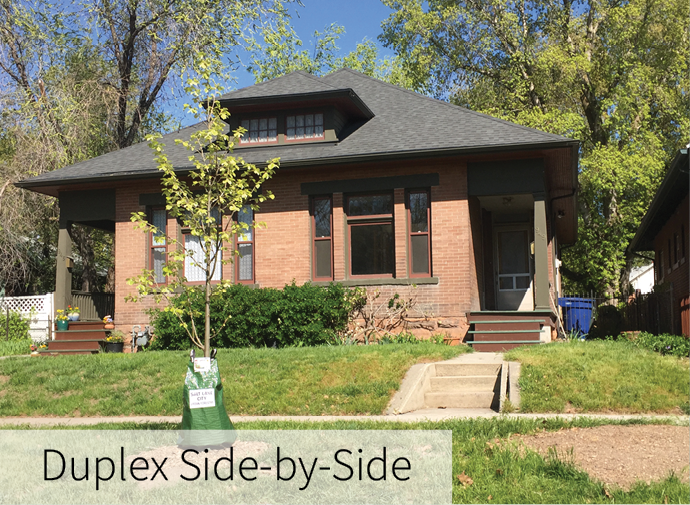
Duplex
2 units

Cottage Court
3-10 units

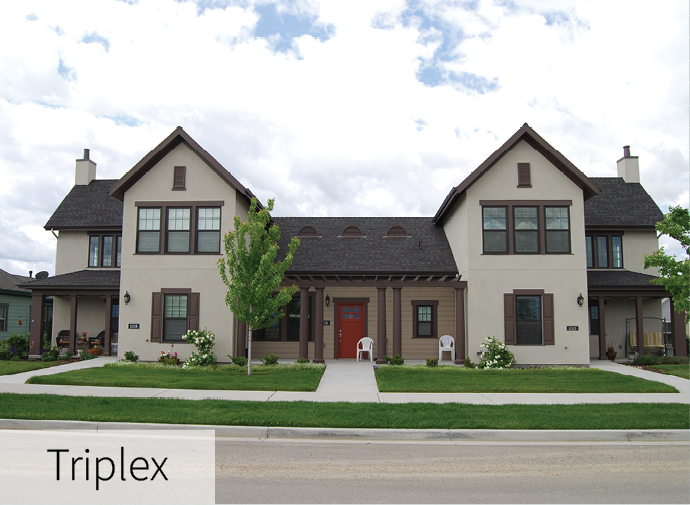
Triplex/
Fourplex
3-4 units

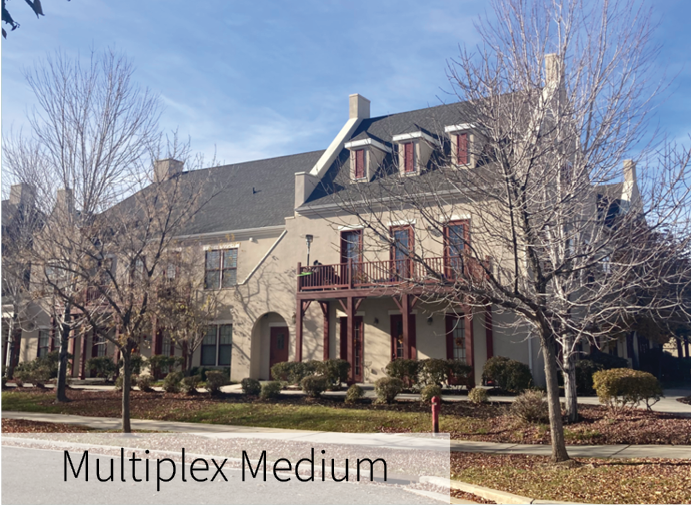
Multiplex Medium
5-10 units

Courtyard Medium
6-16 units

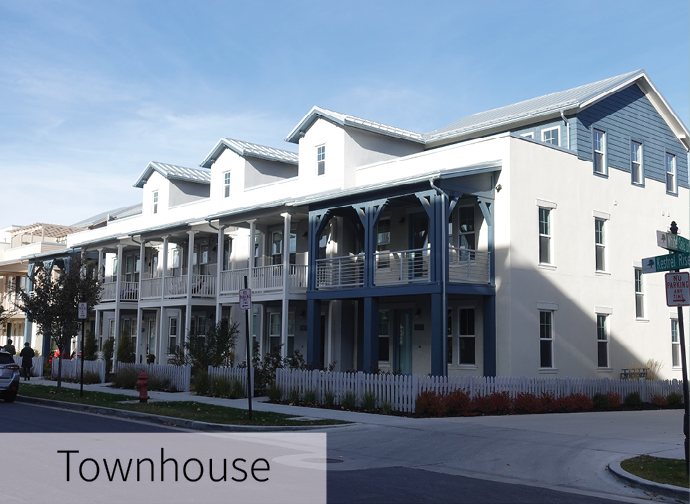
Townhouse Medium
3-5 in a run

Townhouse Large
4-8 in a run

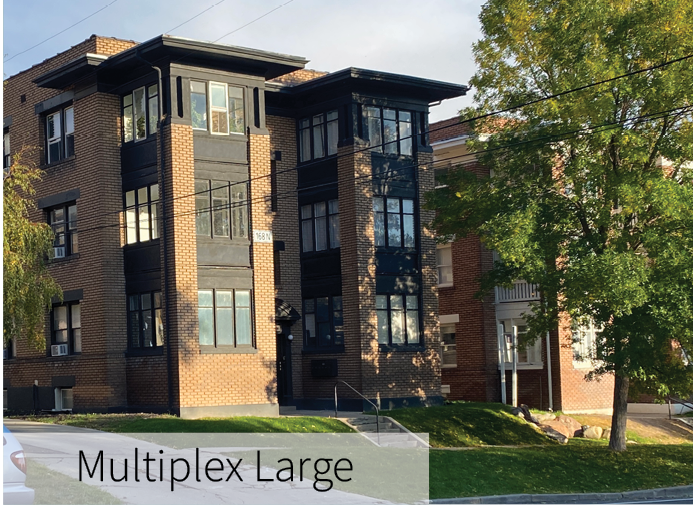
Multiplex Large
6-18 units

Courtyard Large
16-28 units

ADU
1-2 units

Duplex
2 units

Cottage Court
3-10 units

Triplex/
Fourplex
3-4 units

Multiplex Medium
5-10 units

Courtyard Medium
6-16 units

Townhouse Medium
3-5 in a run

Townhouse Large
4-8 in a run

Multiplex Large
6-18 units

Courtyard Large
16-28 units


MMH Building Type Examples in Utah

Now that you have identified your Community Type, analyzed your Activity Nodes, referenced the Wasatch Choice Vision (as applicable), considered your Development and Connectivity Patterns, and identified the MMH Building Types best suited for your community, it is time to consider your next steps for implementation!
Using the resources listed below, you can fine-tune your implementation approach and focus on your community's placement, design, and policy specifics. To help local governments plan for MMH in their community, three technical planning assistance programs have been created:
Annually, WFRC, MAG, and UDOT issue a joint call for projects. See individual program websites for funding availability and guidance on eligible activities and how to apply for assistance.
If you need it, the MMH Toolkit Team is always here to help—from guidance on technical assistance contacts to website support, you can contact us anytime.